
⏱️ 7 min read
12 Behind-the-Scenes Facts About Famous Sitcoms
Television sitcoms have brought laughter into homes for decades, creating beloved characters and memorable moments that stand the test of time. However, behind every hilarious episode lies a treasure trove of fascinating stories, creative decisions, and unexpected challenges that shaped these iconic shows. From casting near-misses to on-set conflicts and improvised moments that became television history, these behind-the-scenes facts reveal the complex journey of bringing comedy to the small screen. Here are twelve remarkable revelations about some of the most famous sitcoms in television history.
1. Friends’ Cast Negotiated Salaries Together
The six main actors of “Friends” made television history by banding together to negotiate their salaries as a united front. Starting in Season 3, Jennifer Aniston, Courteney Cox, Lisa Kudrow, Matt LeBlanc, Matthew Perry, and David Schwimmer agreed that all six would receive equal pay, regardless of screen time or storyline prominence. By the final two seasons, each actor earned $1 million per episode, making them among the highest-paid television actors of their time. This unprecedented solidarity ensured that no cast member was valued above another and strengthened their bond off-screen.
2. The Fresh Prince Theme Song Was Written in 15 Minutes
The iconic opening theme to “The Fresh Prince of Bel-Air” was reportedly written by Will Smith and composed by Quincy Jones III in just fifteen minutes. The catchy rap that explained the show’s premise became one of the most recognizable theme songs in television history. Interestingly, the full-length version of the song contains additional verses that were never used in the show’s opening sequence, providing even more detail about Will’s journey from Philadelphia to California.
3. Seinfeld’s Soup Nazi Was Based on a Real Person
The memorable “Soup Nazi” character from “Seinfeld” was inspired by Al Yeganeh, the real owner of Soup Kitchen International in Manhattan. Yeganeh was known for his strict ordering procedures and his willingness to refuse service to customers who didn’t follow his rules. After the episode aired in 1995, Yeganeh’s soup stand became a tourist attraction, though he was reportedly unhappy with his portrayal on the show. The character became so iconic that “Soup Nazi” entered popular culture as a term for any overly strict food vendor.
4. The Office Used Real Documentary Filmmakers as Consultants
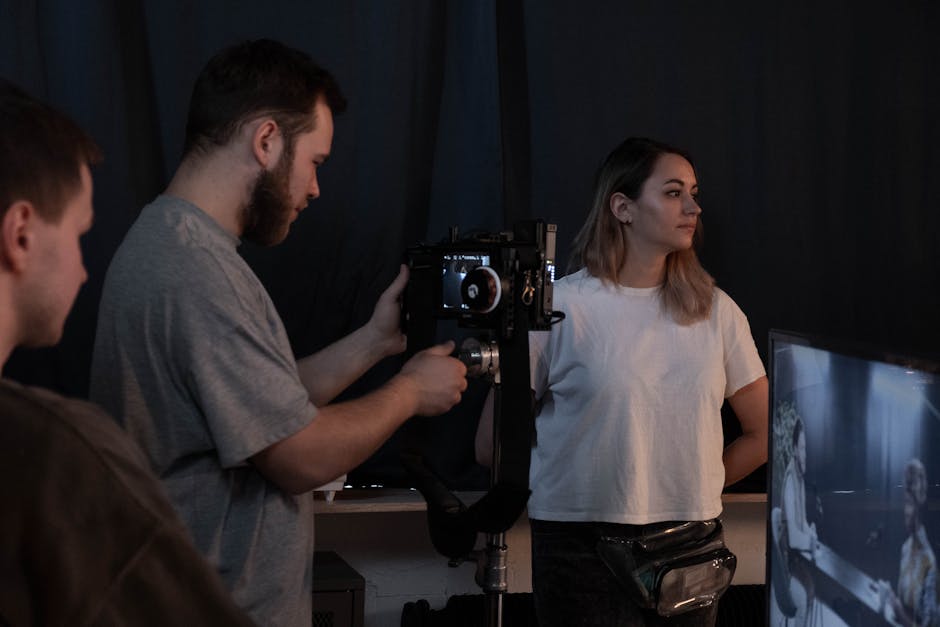
To maintain authenticity in its mockumentary format, “The Office” employed actual documentary filmmakers as consultants and camera operators. The show’s creators wanted the camerawork to feel genuinely documentary-style, complete with awkward zooms, missed moments, and reactions captured through windows or around corners. This commitment to the format included having the cast occasionally acknowledge the camera crew’s presence, adding to the show’s unique realism and helping distinguish the American version from its British predecessor.
5. How I Met Your Mother Filmed Multiple Endings
The creators of “How I Met Your Mother” filmed the show’s final scenes with the child actors during Season 2, fearing the young performers would age too much over the show’s run. They actually shot multiple possible endings to keep their options open as the series progressed. The controversial finale that eventually aired had been planned from the beginning, though the creators debated using alternative endings they had filmed. This forward-thinking approach was necessary given that the show’s premise required the same child actors throughout its nine-season run.
6. Cheers Originally Had Abysmal Ratings
Despite eventually becoming one of the most successful sitcoms in television history, “Cheers” nearly didn’t make it past its first season. The show ranked dead last in ratings for its debut season in 1982-1983. Network executives at NBC decided to give the critically acclaimed show another chance, and it gradually built an audience through word-of-mouth and critical praise. By its final season in 1993, the series finale became one of the most-watched television events ever, with nearly 93 million viewers tuning in.
7. The Big Bang Theory’s Science Was Vetted by UCLA Physicist
To ensure scientific accuracy, “The Big Bang Theory” employed David Saltzberg, a professor of physics and astronomy at UCLA, as a science consultant throughout the show’s entire twelve-season run. Saltzberg reviewed every script, provided the equations seen on whiteboards in the background, and ensured that the scientific discussions between characters were factually correct. He even provided jokes and storylines based on real scientific discoveries and current events in the scientific community, lending authenticity to the show’s portrayal of scientists and their work.
8. Parks and Recreation’s Ann Perkins Wasn’t Originally a Regular Character
Rashida Jones’ character, Ann Perkins, was initially conceived as a guest character who would appear in only a few episodes of “Parks and Recreation.” However, the chemistry between Jones and Amy Poehler was so strong that the writers quickly expanded Ann’s role, making her a series regular and Leslie Knope’s best friend. This decision became central to the show’s emotional core, demonstrating how organic character development can reshape a series’ direction based on cast dynamics.
9. Modern Family Shoots Each Episode Three Times
The ensemble cast of “Modern Family” rarely works together in the same room. Due to the show’s mockumentary format featuring three separate families, each episode is essentially shot as three mini-episodes that are later woven together. The actors from different families often don’t see each other during filming except for special occasions and holiday episodes. This efficient filming schedule allowed the show to produce episodes more quickly than traditional sitcoms, though it required meticulous planning from the writing and editing teams.
10. Frasier Holds the Record for Most Emmy Wins
The “Cheers” spin-off “Frasier” holds the record for the most Emmy Awards won by a scripted series, with 37 wins over its eleven-season run. The show won the Emmy for Outstanding Comedy Series for five consecutive years, an unprecedented achievement. Even more remarkably, this success came despite being a spin-off, which typically struggle to escape the shadow of their parent shows. “Frasier” proved that sophisticated, character-driven comedy could achieve both critical acclaim and popular success.
11. The Golden Girls Set Was Repurposed Multiple Times
The kitchen set from “The Golden Girls” had an interesting afterlife following the show’s conclusion in 1992. The iconic kitchen where Dorothy, Rose, Blanche, and Sophia shared countless late-night cheesecake conversations was later redecorated and used in other sitcoms, including “The Golden Palace” spin-off and reportedly appeared with modifications in shows like “Empty Nest.” This practice of repurposing sets was common in television production to save costs, though few sets became as recognizable as the Golden Girls’ home.
12. Arrested Development’s Background Jokes Required Multiple Viewings
The creators of “Arrested Development” intentionally packed each episode with visual gags, subtle callbacks, and background details that couldn’t possibly be caught in a single viewing. Signs, newspaper headlines, and background conversations often contained jokes that wouldn’t pay off until episodes or even seasons later. This dense layering of comedy was revolutionary for network television and perfectly suited the show for the streaming era, where viewers could easily rewatch episodes. The show’s cult following grew specifically because fans discovered new details with each viewing, creating an interactive experience that rewarded close attention.
Conclusion
These twelve behind-the-scenes facts illuminate the creative processes, happy accidents, and deliberate decisions that shaped television’s most beloved sitcoms. From salary negotiations that changed industry standards to scientific consultants ensuring accuracy, from repurposed sets to revolutionary storytelling techniques, these revelations demonstrate that creating successful comedy is far more complex than it appears. The next time you watch a favorite sitcom, remember that countless individuals worked tirelessly behind the cameras to create those moments of laughter. These shows endure not just because they were funny, but because passionate creators, dedicated casts, and innovative production teams committed themselves to excellence, often overcoming significant obstacles to bring their visions to life. Understanding these behind-the-scenes stories deepens our appreciation for the artistry and craft of television comedy.
