
⏱️ 6 min read
10 Behind-the-Scenes Facts About Blockbusters
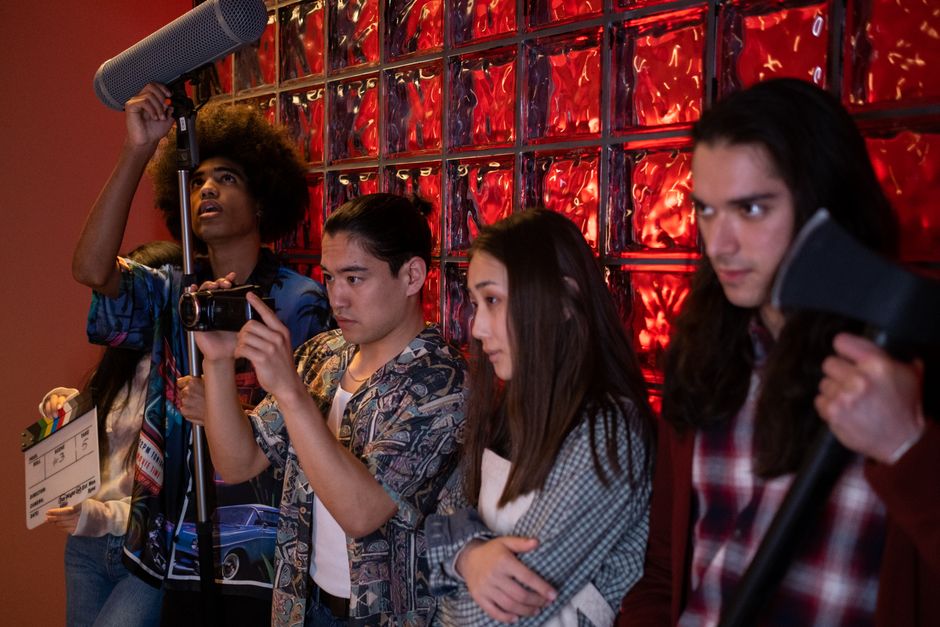
The glitz and glamour of blockbuster films often captivate audiences worldwide, but what happens behind the camera is frequently just as fascinating as what appears on screen. From budget-breaking production costs to last-minute script changes and unexpected on-set challenges, the creation of Hollywood’s biggest hits involves countless untold stories. These behind-the-scenes facts reveal the dedication, creativity, and sometimes sheer chaos that goes into making the movies that dominate box offices and capture our collective imagination.
1. The Dark Knight’s Most Iconic Scene Was Completely Real
When the Joker walks away from the exploding hospital in Christopher Nolan’s The Dark Knight, audiences witnessed an actual demolition. The filmmakers obtained permission to demolish the old Brach’s candy factory in Chicago, rigging it with explosives for a single take. Heath Ledger’s performance during the explosion was genuine, including the moment when he appears to fiddle with the detonator during a pause in the explosions—a pause that was actually part of the planned sequence, though Ledger’s improvised reactions made it seem spontaneous.
2. James Cameron Drew the Iconic Titanic Portrait
The famous drawing of Rose wearing the Heart of the Ocean necklace wasn’t created by Leonardo DiCaprio’s character Jack—it was actually drawn by director James Cameron himself. In the scene where we see Jack’s hands sketching Rose, those are Cameron’s hands in close-up. The director, who has artistic training, insisted on creating the drawing personally to ensure it met his exact vision. The portrait has since become one of the most iconic images from the 1997 blockbuster.
3. Star Wars Nearly Bankrupted George Lucas
The original Star Wars film faced such skepticism from studio executives that George Lucas had to invest his own money and take significant financial risks to complete the production. When the film went over budget, Lucas became so stressed that he was hospitalized with chest pains and hypertension. The studio, 20th Century Fox, had such low expectations that they gave Lucas merchandising rights instead of a higher directing fee—a decision that would make Lucas a billionaire but cost the studio billions in potential revenue.
4. Jaws Created the Summer Blockbuster Model
Before Steven Spielberg’s Jaws in 1975, summer was considered a dumping ground for films studios had little faith in. The massive success of Jaws, which opened on over 400 screens simultaneously and was supported by extensive television advertising, revolutionized film distribution. This “wide release” strategy combined with saturation marketing created the summer blockbuster phenomenon, fundamentally changing how Hollywood releases and promotes major films to this day.
5. The Matrix’s Bullet-Time Required 120 Cameras
The revolutionary “bullet-time” effect that became The Matrix’s signature visual innovation required an unprecedented setup of 120 still cameras and two film cameras arranged in a precise rig. Each camera was triggered in sequence to capture the action from different angles, creating the illusion of frozen time while the camera appeared to move around the subject. The technique took months to develop and required custom-built equipment, but it became one of the most imitated visual effects in cinema history.
6. Jurassic Park’s Dinosaurs Were a Last-Minute Switch
Steven Spielberg originally planned to use stop-motion animation for all the dinosaur sequences in Jurassic Park, employing the legendary Phil Tippett for the work. However, when test footage of computer-generated dinosaurs was shown to the filmmakers, they immediately realized CGI was the superior choice. The production shifted to primarily using computer-generated imagery from Industrial Light & Magic, with practical animatronic dinosaurs for close-ups. This decision revolutionized special effects and made CGI the industry standard for creating fantastical creatures.
7. Avatar’s Language Was Created Years Before Filming
James Cameron commissioned linguist Dr. Paul Frommer to create the complete Na’vi language for Avatar in 2005, four years before the film’s release. Frommer developed a vocabulary of over 1,000 words with its own grammar, syntax, and pronunciation rules. The actors had to learn to speak Na’vi fluently for their roles, attending language classes throughout production. The language was so thoroughly developed that it has since been expanded to over 2,000 words and has an active community of speakers worldwide.
8. The Avengers’ Shawarma Scene Cost $250,000
The post-credits scene in The Avengers showing the heroes silently eating shawarma in a restaurant was shot after the film’s premiere. Director Joss Whedon had the idea during the premiere itself and quickly assembled the cast for a day of shooting. The brief scene, lasting less than a minute, cost approximately $250,000 to produce due to the expense of reassembling the cast. Chris Evans had grown a beard for another role, so he wore a prosthetic covering part of his face, which is why he’s shown leaning on his hand throughout the scene.
9. Inception’s Hallway Fight Used a Rotating Set
The mind-bending hallway fight scene in Inception, where Joseph Gordon-Levitt battles adversaries in a rotating corridor, was achieved through practical effects rather than CGI. The production team built a massive rotating hallway set that spun 360 degrees while the camera remained fixed. Gordon-Levitt trained extensively to perform his own stunts in the rotating environment, and the sequence took three weeks to film. This commitment to practical effects created a visceral reality that audiences could sense, contributing to the film’s immersive quality.
10. The Lord of the Rings Trilogy Was Shot All at Once
In an unprecedented move, director Peter Jackson and New Line Cinema committed to filming all three Lord of the Rings films simultaneously over a continuous 438-day principal photography period. This massive undertaking required extensive pre-production planning and represented an enormous financial risk, with the studio investing approximately $281 million before a single film was released. The decision allowed for consistency in casting, locations, and production design across all three films, but meant that if the first film had failed, the studio would have faced catastrophic losses on the already-completed sequels.
Conclusion
These ten behind-the-scenes facts demonstrate that creating blockbuster films involves far more than simply pointing cameras at actors. From revolutionary technical innovations and enormous financial gambles to creative problem-solving and meticulous attention to detail, the biggest films in cinema history required vision, courage, and often a willingness to attempt what had never been done before. Whether through practical effects, pioneering CGI, specially created languages, or unprecedented production schedules, these blockbusters pushed the boundaries of what was possible in filmmaking. Understanding these backstories enriches our appreciation of these beloved films and reminds us that movie magic often requires real-world ingenuity, dedication, and sometimes just a bit of calculated risk-taking. The next time you watch a blockbuster, consider the countless decisions, innovations, and challenges that transformed a script into the spectacular cinematic experience on screen.
